
Exercise Image

Elevate Your Health with the Right Exercise Routine

Exercise is a vital part of maintaining a healthy lifestyle and improving overall well-being. It refers to any physical activity that strengthens the body, enhances fitness, and supports mental health. Regular exercise not only helps in managing weight but also improves heart health, boosts energy levels, and strengthens muscles and bones. Beyond physical benefits, exercise plays a crucial role in reducing stress, enhancing mood, and promoting better sleep patterns.

From simple daily activities like walking or stretching to structured workouts such as strength training, yoga, and cardio, there are countless ways to incorporate exercise into your routine. Making exercise a consistent habit can lead to long-term health improvements, increased vitality, and a more active lifestyle. Understanding the importance of exercise is the first step toward living a healthier, happier life.

Boost Exercise Now
Start My Digestive Reset
Get Digestive Relief

Why Exercise is Important

Exercise is a vital part of a healthy lifestyle that offers countless benefits for both the body and mind. Regular exercise improves physical fitness by strengthening muscles, enhancing flexibility, and boosting endurance. It plays a crucial role in maintaining a healthy weight and supporting cardiovascular health by reducing the risk of heart disease, high blood pressure, and diabetes. Beyond physical benefits, exercise has a significant impact on mental well-being. It helps reduce stress, anxiety, and depression by releasing feel-good hormones like endorphins, which naturally uplift mood and increase energy levels.

Exercise also enhances brain function by improving focus, memory, and overall cognitive abilities. For people of all ages, staying active contributes to better bone health, joint mobility, and balance, which reduces the risk of injuries and age-related complications. Additionally, incorporating regular exercise into daily life promotes better sleep quality and boosts immunity, helping the body fight illnesses more effectively.

Making exercise a consistent part of your routine doesn’t necessarily mean spending hours at the gym. Simple activities like walking, cycling, yoga, or even household chores can count toward your daily exercise goals. By prioritizing exercise, you invest in a healthier, happier, and more energetic life, making it one of the most important habits for long-term well-being.

Exercise-web

Top Benefits of Exercise

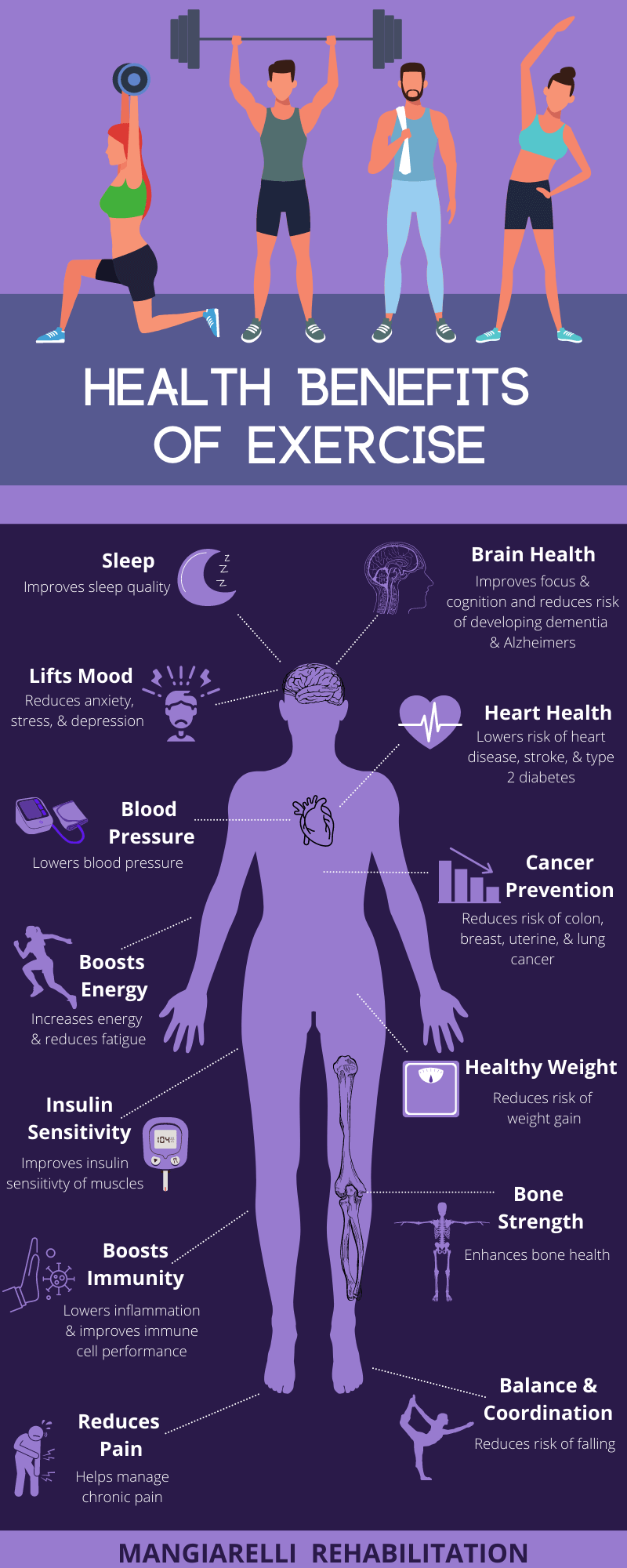
Exercise is one of the most effective ways to improve overall health and well-being. Regular physical activity not only strengthens your body but also boosts mental health, energy levels, and longevity. Incorporating exercise into your daily routine can transform your life by enhancing physical fitness, preventing health issues, and improving mood. Here are the top 8 benefits of exercise:

Improves Heart Health – Exercise strengthens the heart and improves blood circulation, reducing the risk of heart disease, high blood pressure, and stroke.

Supports Weight Management – Regular physical activity helps burn calories and boosts metabolism, making it easier to maintain a healthy weight.

Builds Strong Muscles and Bones – Strength training and resistance exercises increase muscle mass, enhance bone density, and reduce the risk of osteoporosis.

Boosts Mental Health – Exercise releases endorphins, which reduce stress, anxiety, and depression while improving mood and overall emotional well-being.

Enhances Energy Levels – Regular activity improves stamina and reduces fatigue, keeping you energized throughout the day.

Improves Sleep Quality – Exercise helps regulate sleep patterns, making it easier to fall asleep and enjoy deep, restorative rest.

Supports Immune System – Staying active strengthens the immune system, helping the body fight off illnesses more effectively.

Promotes Longevity – Consistent exercise contributes to a longer, healthier life by reducing the risk of chronic diseases and promoting overall wellness.

Regular exercise is not just about fitness; it’s a lifestyle choice that improves physical, mental, and emotional health, helping you live your best life.

Exercise-web

Different Types of Exercise

Exercise is essential for maintaining a healthy body and mind, and understanding the different types of exercise can help you create a balanced fitness routine. Each type of exercise targets specific areas of your health, from building strength and flexibility to improving heart health and balance. Incorporating a variety of exercises ensures overall well-being and keeps workouts interesting and effective. Here are the main types of exercise you should know about:


Aerobic Exercise (Cardio) – This type of exercise increases your heart rate and improves cardiovascular health. Common examples include running, swimming, cycling, and brisk walking. Aerobic exercise helps burn calories, enhance stamina, and strengthen the heart and lungs.


Strength Training – Also known as resistance training, this exercise focuses on building muscle strength and endurance. It includes activities like weightlifting, resistance bands, and bodyweight exercises such as push-ups and squats. Strength training improves bone density and supports joint health.


Flexibility Exercises – These exercises enhance the range of motion in your joints and muscles. Stretching routines, yoga, and Pilates are excellent examples. Flexibility exercises prevent injuries, improve posture, and promote better movement in daily activities.


Balance Exercises – Balance exercises help improve stability and coordination, which is especially important as we age. Activities like tai chi, standing on one leg, or using balance boards can reduce the risk of falls and enhance overall body control.


High-Intensity Interval Training (HIIT) – HIIT involves short bursts of intense activity followed by rest periods. It is effective for burning fat, improving cardiovascular fitness, and boosting metabolism in less time.


Low-Impact Exercises – Gentle on the joints, these exercises include walking, swimming, or cycling. They are ideal for beginners, older adults, or anyone recovering from injuries while still improving health and endurance.


By including different types of exercise in your routine, you can achieve a well-rounded fitness plan that supports strength, flexibility, balance, and overall health.

How Much Exercise Do You Need?

Exercise is essential for maintaining a healthy lifestyle, but many people wonder how much exercise is actually needed to achieve its benefits. The amount and type of exercise can vary depending on age, fitness level, and personal health goals. Following recommended guidelines ensures that your body stays strong, your heart stays healthy, and your mind remains sharp.

Health experts recommend that adults aim for at least 150 minutes of moderate-intensity aerobic exercise per week, such as brisk walking, cycling, or swimming. Alternatively, 75 minutes of vigorous-intensity aerobic exercise, like running or high-intensity interval training (HIIT), can provide similar benefits. It’s also important to include strength training exercises at least two days a week to build muscle, improve bone health, and support metabolism.

For children and teenagers, experts suggest at least 60 minutes of physical activity daily, combining aerobic, muscle-strengthening, and bone-strengthening activities. Even light activities like walking, playing sports, or dancing can make a significant difference when performed consistently.

Beginners should start slowly, gradually increasing intensity and duration to prevent injuries and build stamina. Small daily activities, like taking the stairs, stretching, or short walks, also count toward overall exercise goals.

By understanding how much exercise you need and creating a balanced routine, you can enjoy improved fitness, energy, mental clarity, and overall health for the long term.

Exercise-web

Tips for Staying Motivated

Staying motivated to exercise can be challenging, especially when life gets busy or results take time to show. However, maintaining motivation is key to reaping the long-term benefits of physical activity. By adopting simple strategies and creating an enjoyable routine, you can stay consistent with exercise and make it a natural part of your lifestyle.

Set Clear and Achievable Goals – Start with small, realistic goals that match your fitness level. Tracking progress, such as distance walked or weight lifted, can help you stay motivated.

Create a Routine – Schedule your workouts at a consistent time each day to develop a habit. Treat exercise as an essential part of your day, just like meals or work.

Make Exercise Enjoyable – Choose activities you enjoy, whether it’s dancing, swimming, yoga, or cycling. When exercise feels fun, it becomes easier to stay consistent.

Find a Workout Buddy – Exercising with a friend or family member provides accountability, support, and added motivation.

Mix It Up – Incorporate different types of exercise, such as cardio, strength training, and flexibility exercises, to keep your routine exciting and prevent boredom.

Reward Yourself – Celebrate milestones with small rewards, like a new workout outfit or a relaxing activity, to reinforce positive behavior.

Track Your Progress – Use apps, journals, or fitness trackers to monitor improvements in strength, endurance, and overall health. Seeing progress boosts confidence and motivation.

By following these tips, you can maintain enthusiasm for exercise, overcome obstacles, and enjoy a healthier, more active lifestyle that lasts a lifetime.

Common Mistakes to Avoid During Exercise

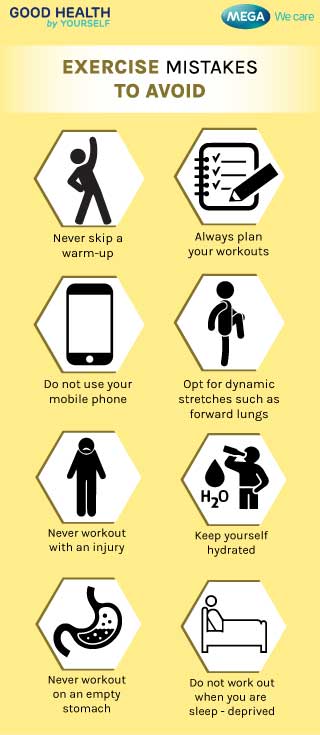
Exercise is essential for maintaining health, fitness, and overall well-being. However, many people unintentionally make mistakes that can reduce the effectiveness of their workouts or even lead to injuries. Understanding these common pitfalls can help you exercise safely and get the most out of your fitness routine.

Skipping Warm-Ups and Cool-Downs –
Starting intense exercise without a warm-up can strain muscles, while skipping a cool-down may lead to stiffness. Gentle stretching before and after workouts prepares your body and aids recovery.

Overtraining –
Exercising too intensely or too frequently without rest can cause fatigue, reduce performance, and increase the risk of injuries. Rest days are crucial for muscle recovery and overall progress.

Using Poor Form –
Incorrect technique during exercises like weightlifting or squats can lead to injuries and reduce effectiveness. Focus on proper posture and controlled movements for safe workouts.

Neglecting Variety –
Doing the same type of exercise repeatedly can lead to plateaus and boredom. Incorporate a mix of cardio, strength, flexibility, and balance exercises for balanced fitness.

Ignoring Body Signals –
Pushing through pain or discomfort can worsen injuries. Listen to your body, and adjust intensity or rest as needed.

Setting Unrealistic Goals –
Expecting immediate results may lead to frustration and burnout. Set achievable milestones and celebrate progress along the way.

Poor Nutrition and Hydration –
Exercise requires proper fuel. Skipping meals or neglecting water intake can reduce energy, performance, and recovery.

By avoiding these common mistakes, you can exercise safely, maximize results, and maintain a consistent fitness routine that supports long-term health and well-being.

Conclusion: Start Your Exercise Journey Today

Exercise is one of the most important habits for maintaining a healthy and balanced lifestyle. Regular physical activity strengthens the heart, muscles, and bones, boosts mental well-being, improves sleep quality, and increases overall energy levels. Whether you choose aerobic exercises, strength training, flexibility routines, or balance workouts, incorporating a variety of exercises into your routine ensures comprehensive fitness and long-term health benefits.

Consistency is key, and understanding how much exercise you need, staying motivated, and avoiding common mistakes can make your fitness journey safe and effective. Both home workouts and gym sessions offer unique advantages, and the best choice depends on your personal goals, preferences, and lifestyle. By making exercise a regular part of your day, you invest in your health, happiness, and longevity.

Ultimately, exercise is more than just a routine—it is a lifestyle choice that promotes physical, mental, and emotional wellness. Start small, stay consistent, and enjoy the countless benefits that exercise brings to your life.

FAQs About Exercise

1. What is Exercise?

Exercise is any physical activity that enhances or maintains physical fitness, health, and overall well-being. It includes activities like walking, running, strength training, yoga, and sports that improve the heart, muscles, bones, and mental health.


2. Why is Exercise important?

Exercise is crucial for maintaining a healthy body and mind. It strengthens the heart, improves circulation, boosts energy, supports weight management, enhances mood, and reduces the risk of chronic diseases. Regular exercise also promotes better sleep and cognitive function.


3. How often should I Exercise?

Adults should aim for at least 150 minutes of moderate-intensity aerobic exercise per week or 75 minutes of vigorous-intensity exercise. Strength training should be included at least twice a week. Children should engage in 60 minutes of activity daily.


4. Can Exercise help with weight loss?

Yes, regular exercise burns calories, boosts metabolism, and supports fat loss when combined with a balanced diet. Both cardio and strength training are effective for maintaining a healthy weight.


5. What are the different types of Exercise?

Exercise can be categorized as aerobic (cardio), strength training, flexibility exercises, balance exercises, and high-intensity interval training (HIIT). Each type targets specific aspects of fitness and health.


6. How long should a workout session be?

Workout duration depends on intensity and type. Moderate workouts can last 30–60 minutes, while high-intensity sessions may be shorter, around 20–30 minutes. Consistency is more important than length.


7. Can I Exercise at home effectively?

Absolutely! Home workouts using bodyweight exercises, resistance bands, or online classes can be highly effective. They offer flexibility and convenience while helping you achieve fitness goals.


8. Is going to the gym necessary for fitness?

No, gym access is optional. Gyms provide equipment and structure, but consistent home workouts, outdoor activities, or sports can also deliver excellent results.


9. How does Exercise improve mental health?

Exercise releases endorphins, which reduce stress, anxiety, and depression. It also improves focus, memory, and overall cognitive function, promoting a sense of well-being.


10. Can Exercise prevent chronic diseases?

Yes, regular physical activity lowers the risk of heart disease, diabetes, obesity, high blood pressure, and certain cancers. It supports long-term health and longevity.


11. What are the benefits of strength training?

Strength training builds muscle, increases bone density, boosts metabolism, and improves posture and functional fitness. It also reduces the risk of injury and supports overall strength.


12. How does cardio Exercise help the body?

Cardio exercise strengthens the heart and lungs, improves circulation, burns calories, and enhances stamina. Examples include running, cycling, swimming, and brisk walking.


13. Can flexibility Exercises prevent injuries?

Yes, stretching, yoga, and Pilates improve joint range of motion, reduce stiffness, and prevent strains and sprains during daily activities or workouts.


14. What is HIIT, and is it effective?

High-Intensity Interval Training (HIIT) involves short bursts of intense exercise followed by rest periods. HIIT boosts metabolism, burns fat, improves cardiovascular health, and saves time.


15. How important is balance training?

Balance exercises, like tai chi or single-leg drills, enhance coordination, stability, and core strength. They are especially important for older adults to reduce the risk of falls.


16. Can Exercise improve sleep quality?

Yes, regular exercise helps regulate sleep patterns, making it easier to fall asleep and enjoy deep, restorative rest. Avoid exercising too close to bedtime to prevent sleep disruption.


17. How do I stay motivated to Exercise regularly?

Set achievable goals, create a routine, choose enjoyable activities, track progress, and reward yourself. Exercising with a buddy or using fitness apps can also boost motivation.


18. Can beginners start exercising safely?

Absolutely. Beginners should start slowly, focus on proper form, and gradually increase intensity and duration. Low-impact exercises are a good starting point.


19. How does exercise affect energy levels?

Regular exercise improves stamina, reduces fatigue, and increases overall energy by enhancing circulation, oxygen delivery, and metabolic efficiency.


20. What mistakes should I avoid during exercise?

Common mistakes include skipping warm-ups or cool-downs, using poor form, overtraining, ignoring body signals, and setting unrealistic goals. Avoiding these ensures safety and effectiveness.